Have you ever wondered what keeps your home or business truly safe when you’re not there to watch over it? In today’s world, where security concerns are rising and break-ins can happen unexpectedly, protecting your property has become more important than ever. Fortunately, modern tools help protect your home from intruders. One of the most reliable and widely used options is the intruder alarm system, a smart guardian that detects suspicious activity and alerts you instantly.
In this guide, you’ll learn what an intruder alarm system is, how it works, and why it’s essential for safeguarding your peace of mind
What is an intruder alarm system?
An intruder alarm system is a security solution that protects homes, offices, and commercial buildings from unauthorized access. It detects unusual activity, such as someone trying to break in, and alerts you immediately.
Modern alarm systems, whether simple or smart, provide mobile notifications, sirens, and remote control to protect your valuables and ensure peace of mind. More than just a device, an intruder alarm acts as a first line of defense against theft, vandalism, and other risks, boosting your sense of safety in any environment.
How Does an Intruder Alarm System Work?
An intruder alarm system operates through a series of connected components that detect, alert, and respond to unauthorized entry. From sensing unusual movement to triggering alarms and notifications, each step works together to ensure your property stays protected at all times.
1- Detection through Sensors
Sensors are placed at entry points like doors, windows, and hallways. Motion sensors detect movement, and a secure door access system ensures only authorized people can enter.
2- Signal to Control Panel
When a sensor detects movement or an open door or window, it immediately sends a signal to the control panel. Acting as the system’s brain, the panel can trigger a siren, send alerts to your phone, or notify a monitoring service, keeping your home protected in real time.
3- Alert Activation
The control panel triggers alarms, sirens, or notifications as soon as a threat is detected. Some systems send instant alerts to your phone or a professional monitoring service, ensuring you are informed immediately and can take action without delay.
4- Response
When the alarm sounds, you or your monitoring service can respond immediately, whether by contacting authorities or checking live camera feeds. Quick action helps protect your home, family, and property while minimizing potential damage.
This process ensures that any attempt to enter your property illegally is detected quickly, keeping your home and family safe.
Benefits of an Intruder Alarm System for Home Safety
Installing an intruder alarm system offers more than just protection, it provides confidence, convenience, and complete peace of mind. A well-designed system acts as your home’s first line of defense, detecting unauthorized access, alerting you instantly, and deterring potential intruders before they can cause harm.
Increased Home Security
An intruder alarm, combined with door and window sensors, forms an essential part of a complete smart home security system. It immediately detects suspicious movement or forced entry and sends alerts to your phone or a monitoring service, keeping your family and property safe 24/7.
Peace of Mind
Knowing your home is protected allows you to focus on daily life without constant worry. The reassurance of having a reliable alarm system reduces stress and brings a sense of comfort to everyone in your household
Remote Monitoring
Modern alarm systems connect with smartphones and smart devices, allowing you to monitor your home from anywhere. You can receive instant alerts, view live camera feeds, and control security settings remotely, ensuring you’re always in control, even when away.
Quick Emergency Response
Instant alerts enable you or emergency services to respond quickly to break-ins, fires, or other hazards. This rapid response can prevent small incidents from escalating, protecting your loved ones and minimizing potential losses.
Deterring Criminals
Visible alarms, sirens, and security stickers act as strong deterrents. Burglars are far less likely to target a home with a clearly visible alarm system, knowing the risk of getting caught is much higher.
Protection of Valuables
From electronics and jewelry to important documents, an alarm system helps safeguard your valuables. Early detection reduces the chances of theft or damage to your possessions.
Cost-Effective and Insurance Benefits
A reliable alarm system not only prevents costly thefts but can also lower your home insurance premiums. Many insurers offer discounts for homes equipped with professional security systems, making it a smart long-term investment in safety and savings.
Types of Intruder Alarm Systems
Wired Alarm Systems
These use cables to connect sensors to the control panel. Highly reliable and tamper-resistant, they usually require professional alarm system installation but last for years once set up.
Wireless Alarm Systems
Wireless systems use radio signals, making them easy to install and flexible. You can add sensors anytime, ideal for homes where wiring is difficult or for renters.
Monitored Alarm Systems
Connected to a professional monitoring service, these systems alert the company and authorities if triggered. Perfect for frequent travelers or those away from home often.
Unmonitored Alarm Systems
These only notify you via siren or smartphone alert, without contacting a monitoring service. The sound alone can scare intruders and give you time to respond.
Smart Alarm Systems
Internet-connected systems controlled through your smartphone. Many include cameras, motion detectors, and integrate with other smart home devices for remote monitoring and instant alerts.
Components of an Intruder Alarm System
Understanding the main parts of a burglar alarm system helps you select the right protection for your home or business.
1. Intrusion Sensors: The First Line of Defense
- These are the devices that detect unauthorized activity.
- Door/Window Contacts: Magnetic sensors that trigger an alarm when a door or window is opened while the system is armed.
- Motion Sensors (PIR): Detect body heat and movement within a room, ideal for open spaces. Glass Break Detectors: “Listen” for the specific sound frequency of shattering glass, providing an extra layer of security for windows.
2. Control Panel: The Brain of the System
- This is the central hub, usually hidden away, that processes all information.
- It receives signals from all the sensors.
- It makes the decision to trigger the alarm siren and send an alert to the monitoring service.
- It is often backed by a battery to ensure operation during a power outage.
3. Alarm Siren or Bell: The Active Deterrent
- This component creates a loud, audible and/or visual alert.
- Its primary purpose is to scare away the intruder immediately.
- It alerts occupants, neighbors, and passersby that a security breach is occurring.
4. User Interface: Arming and Disarming the System
- This is how you interact with your alarm system on a daily basis.
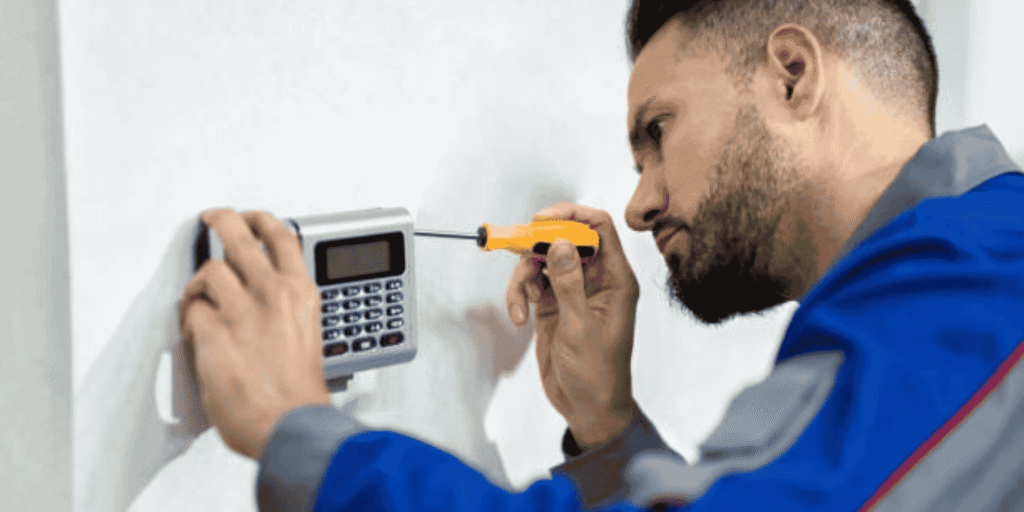
- Keypads: Typically mounted near exits, they feature a display and buttons for controlling the system with a unique code.
- Mobile Security Apps & Remote Controls: Modern systems allow you to arm, disarm, and check status from your smartphone or a key fob from anywhere.
5. Professional Monitoring (Optional but Recommended)
- This 24/7 service connects your system to a central monitoring station.
- When your alarm is triggered, the control panel sends a signal to the monitoring center.
- A trained operator will then attempt to verify the alarm and immediately contact the police, fire department, or you, depending on the situation.
- This ensures a response even when you are away or unable to react.
How to Choose the Right Intruder Alarm for Your Home
Choosing the right system depends on your home and budget:
Home Size
Larger homes may require more sensors and multiple control panels to cover all entry points. Make sure every area, including doors and windows, is protected.
Type of System
Choose an alarm system based on your home and lifestyle. Wired systems are reliable but need professional installation. Wireless systems are easy to set up and expandable. Monitored systems alert authorities automatically, while smart systems connect to your smartphone for remote control and integration with other devices.
Features
Look for security features like cameras, motion detectors, door/window sensors, and smartphone access. Advanced features such as night vision cameras, sirens, and automated alerts can significantly enhance protection and make monitoring more convenient.
Ease of Use
Choose a system that is simple to arm, disarm, and maintain. Complicated systems can lead to errors or missed alerts.
Budget
Balance cost with features and reliability. Sometimes spending a little more upfront can save money and trouble later.
Monitoring
Decide whether you want professional monitoring or self-monitoring. Professional monitoring provides 24/7 oversight and can notify police or emergency services automatically, while self-monitoring gives you control to manage alerts directly from your phone.
Tips to Get the Best Alarm System
Research Brands
Choose trusted brands with positive reviews and proven performance. Reliable brands usually offer better support and warranties.
Check Sensor Quality
Ensure sensors are responsive and durable. Poor-quality sensors may fail or give false alarms.
Professional Installation
Experts can set up the system correctly and test it thoroughly. Proper installation ensures maximum effectiveness.
Regular Maintenance
Test alarms and replace batteries regularly to keep the system working. Maintenance prevents unexpected failures during emergencies.
Integration
Make sure the system works with your smart home devices. Integration allows you to control lights, cameras, and alarms from one app.
Conclusion
An intruder alarm system, along with a high-quality security camera system, is an essential part of the modern home’s best security setup. It detects threats, alerts you instantly, and discourages criminals. By understanding the types, components, and benefits, you can choose a system that fits your home and lifestyle. Installing a reliable alarm system provides safety, peace of mind, and protection for your loved ones and valuables.”