Healthcare facilities in Dubai, from boutique clinics to specialised medical centres and large hospitals, face security demands that a normal office never sees. They protect patients, hold highly sensitive medical records and store controlled medication. That is why ELV security for clinics and healthcare facilities in Dubai is a specialist job, not a standard installation.
The challenge is a delicate balance. You need strong protection for patients, staff and assets, but patients walking in are often anxious or in pain, so the space must stay calm and welcoming. Extra Low Voltage (ELV) systems make that possible: smart technology that protects the facility quietly in the background.
This guide explains how each ELV system supports a Dubai healthcare environment, what the rules say, and how to plan the project properly.
Quick Answer: Which ELV Systems Does a Dubai Clinic Need?
Most clinics and hospitals in Dubai need these seven ELV systems working together:
- CCTV for entrances, corridors, parking, pharmacy and emergency areas, never inside consultation rooms
- Access control for pharmacies, medical records rooms, labs, server rooms and operating theatres
- Intruder alarms with CCTV verification for after-hours protection
- Public address (PA) and nurse call for emergencies and staff communication
- Structured cabling and Wi-Fi for electronic health records, imaging and telemedicine
- UPS and backup power so security never goes offline
- Annual maintenance contract (AMC) for long-term reliability and compliance
ELV Systems for Healthcare Facilities at a Glance
|
ELV System |
What It Protects |
Typical Healthcare Zones |
|---|---|---|
|
CCTV |
People, assets, evidence |
Entrances, reception, corridors, parking, pharmacy, emergency |
|
Access control |
Restricted areas, records, medication |
Pharmacy, records room, lab, server room, operating theatre |
|
Intruder alarm |
The building after hours |
Medication stores, equipment rooms, reception |
|
PA and nurse call |
Communication and emergency response |
Wards, waiting rooms, corridors |
|
Structured cabling and Wi-Fi |
Digital operations |
Every room, from server room to patient wards |
|
UPS and generator |
System uptime |
Security, communication and life-safety systems |
1. CCTV: The Art of Protective Surveillance and Patient Privacy
Surveillance in a medical setting is a double-edged sword. While it is essential for security, it must never compromise patient dignity. A well-designed Closed-Circuit Television (CCTV) system in a Dubai clinic or hospital is not about blanket coverage; it is about strategic placement. Professional CCTV installation ensures cameras are positioned in the right areas while maintaining patient privacy.
Where to Place CCTV Cameras in a Healthcare Facility
The primary goal is to monitor high-traffic and high-risk areas without infringing on private consultations. Cameras should be positioned at:
- Entrances and Exits: To monitor foot traffic and prevent unauthorized access.
- Reception Areas: To ensure the safety of front-desk staff and monitor waiting patients.
- Corridors: For general movement tracking and emergency response.
- Parking Lots: For the safety of patients and staff arriving and leaving.
- Pharmacies: To monitor the dispensing of controlled medications.
- Emergency Areas: To manage crowd control and urgent situations.
The Privacy Line: Where CCTV Must Not Go
Crucially, cameras must be strictly prohibited in areas where patient privacy is paramount. These include consultation rooms, treatment areas, examination rooms, and changing rooms. The design philosophy is “protection without invasion.” Furthermore, footage must be stored securely with strict access controls, ensuring that only authorized personnel can view the recordings in the event of an incident.
Secure Storage and Access to Footage
Footage must be stored securely with strict access controls, so only authorised personnel can view recordings after an incident. Encrypted storage and role-based viewing permissions are standard practice. Always check the current SIRA technical specification for minimum recording retention, camera resolution and installation requirements before you finalise the design.
2. Access Control for Hospitals and Clinics: Securing Restricted Zones
Not every door in a healthcare facility should open for everyone. Hospitals and clinics contain high-value assets and sensitive information. A robust Access Control system is the digital gatekeeper that ensures only the right people are in the right place at the right time.
Which Areas Need Access Control?
Certain areas require stringent security protocols. These include:
- Pharmacies: To prevent the theft of controlled medication.
- Medical Records Rooms: To protect patient confidentiality.
- Laboratories: To secure sensitive samples and equipment.
- Server Rooms: To protect critical IT infrastructure.
- Operating Theatres: To ensure sterility and safety during procedures.
Role-Based Permissions, Biometrics and Audit Trails
Modern access control systems in Dubai are sophisticated. They allow administrators to grant permissions based on roles (e.g., Nurse, Doctor, Cleaner) and time (e.g., shift hours). Methods of entry can vary from traditional access cards and PINs to advanced mobile credentials and biometrics (fingerprint or facial recognition).
Beyond just restricting access, these systems create an audit trail. Every entry is logged. This data is invaluable for compliance audits and incident investigations. If a discrepancy arises in medication stock or patient records, the system provides a digital footprint of who accessed those areas and when.
3.Intruder Alarms for Medical Facilities: Protection After Hours
Healthcare facilities are often targets for theft due to the presence of valuable equipment and drugs. While access control manages the day-to-day flow, Intruder Alarms systems are the first line of defense when the facility is closed or operating with a skeleton crew.
Protecting High-Value Targets
Medication stores, equipment rooms, and reception areas (where cash and valuables may be kept) are prime targets for burglaries. A robust alarm system utilizes sensors, door contacts, and panic buttons to alert security teams immediately upon unauthorized entry.
CCTV Integration for Alarm Verification
The true power of an intrusion system lies in its integration with CCTV. When an alarm triggers, the system can automatically link to video feeds, allowing security personnel to verify the cause of the alarm instantly. Is it a genuine break-in, or a false alarm? This integration prevents unnecessary panic and allows for a swift, informed response.
4. Public Address and Staff Communication: The Voice of Calm
In a medical emergency, communication must be clear, immediate, and calm. A Public Address (PA) system is not just for playing background music in the waiting room; it is a critical safety tool.
Emergency Announcements and Evacuation
During an evacuation or an internal emergency, a PA system allows for audible, authoritative instructions to be broadcast across the facility. This helps in maintaining order and ensuring that staff and patients know exactly what to do.
Zoned Control for Quiet Areas
The design of the PA system must account for the different acoustic environments within a clinic. A general announcement intended for the reception area should not disrupt a quiet ward or a sensitive consultation in progress. “Zoned control” allows operators to direct announcements to specific areas of the building. Whether it is a quiet waiting room, a bustling corridor, or a specialized ward, the communication system can be tuned to deliver the right message at the right volume.
Nurse Call and Intercom Systems
In wards and patient rooms, a nurse call system lets patients request help quickly and speeds up staff response. Intercoms at pharmacy hatches, restricted doors and staff areas complete the communication layer. When these connect to the same platform as access control and CCTV, staff get faster, clearer alerts.
5. Structured Cabling and Wi-Fi for Healthcare: The Digital Lifeline
If data is the lifeblood of a modern clinic, the network is the circulatory system. Modern healthcare is entirely dependent on digital technology—from Electronic Health Records (EHR) and high-resolution medical imaging to telemedicine consultations and connected medical devices.
The Hidden Risk of Poor Cabling
A stable network is non-negotiable. Slow or unstable connections can delay diagnostics, hinder check-in processes, and disrupt critical patient care. Installation of Structured cabling provides a reliable, high-speed backbone that connects all systems—security cameras, access control, computers, and medical devices—ensuring they function harmoniously.
Seamless HealthCare Wi-Fi Coverage
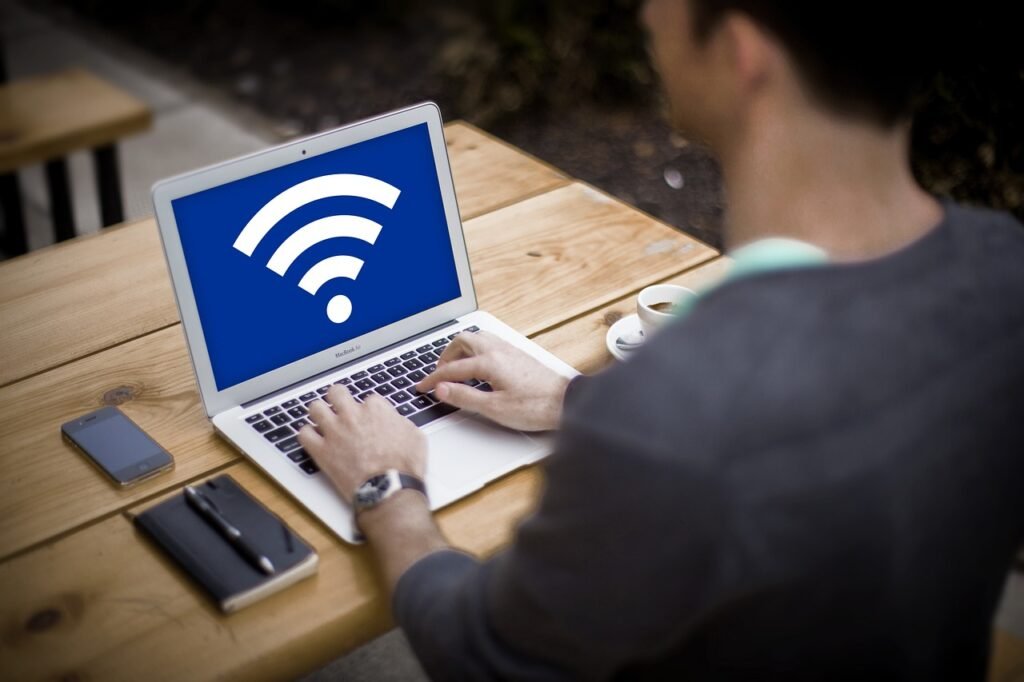
Moreover, a well-planned Wi-Fi network installtion is essential. Doctors and nurses use tablets and mobile devices to update patient records on the move; patients use the internet for entertainment and communication. A robust Wi-Fi infrastructure ensures that staff remain connected in every room, from the basement server room to the top-floor patient wards. Investing in quality structured cabling and Wi-Fi is not just an IT decision; it is a fundamental operational requirement.
6. System Uptime: Power Resilience and Maintenance
In healthcare, downtime is not an option. A power outage or a system failure can be a matter of life and death. Building resilience into the ELV design is a critical component of the planning phase.
UPS and Power Backup Generators
Critical systems must be protected by Uninterruptible Power Supplies (UPS) and backup generators. This ensures that if the grid fails, security cameras, access control, and life-safety communication systems continue to operate seamlessly.
Annual Maintenance Contract (AMC)
Technology requires care. A comprehensive maintenance plan is essential to the longevity and reliability of ELV systems. This includes regular inspections, software updates, and fast support response times. Proactive maintenance prevents small issues from becoming major system failures, ensuring your facility operates at peak efficiency 24/7.
. Compliance: SIRA, DHA and Civil Defence Requirements
Healthcare ELV projects in Dubai involve more than one authority. Check each of these before installation begins:
- SIRA (Security Industry Regulatory Agency): sets the technical specifications for security systems in Dubai, including CCTV, access control and intruder alarms, and licenses security providers and devices
- DHA (Dubai Health Authority): publishes health facility guidelines, including a design guide for engineering systems in healthcare facilities
- Dubai Civil Defence: governs fire and life-safety requirements that security systems must not interfere with
Using a SIRA-approved integrator who already understands these overlaps helps your project pass inspections the first time.
The Healthcare ELV Planning Checklist
To ensure no stone is left unturned during the design phase, here is a practical checklist for facility managers and developers:
- Map High-Risk Zones: Identify exactly where the pharmacy, medical records, laboratory, server room, and emergency areas are located.
- Define Privacy Policies: Decide where cameras are allowed and explicitly identify where privacy rules apply (consultation and treatment rooms).
- Establish Access Levels: Define who needs access to restricted areas based on their job role and shift schedule.
- Centralize Management: Plan to link alarms, CCTV, and access control into one unified platform to streamline management and response.
- Future-Proof the Network: Calculate cabling and Wi-Fi capacity not just for current devices, but for future growth and new medical technologies.
- Plan for Uptime: Include robust power backup solutions and secure an annual maintenance contract to ensure long-term reliability.
- Regulatory Compliance: Confirm all local regulatory requirements, including SIRA (Security Industry Regulatory Agency) standards, before installation begins.
Why Choose One SIRA-Approved ELV Integrator for Your Clinic?
The complexity of these systems often leads to a fragmented approach, where CCTV comes from one vendor, access control from another, and networking from a third. This “siloed” approach creates gaps in security and conflicts in compatibility.
For a healthcare facility in Dubai, the advantage of working with a single, SIRA-approved integrator cannot be overstated. A unified integrator designs the systems to work together from day one. This simplifies support, reduces maintenance headaches, and provides one point of accountability. When a system works in harmony, the result is a safer, smarter environment.
Partnering for a Safer Future
SEFA has delivered integrated ELV solutions in Dubai for over 20 years, with a portfolio that includes projects for banks, offices, and commercial properties. We understand the unique nuances of the healthcare sector.
We can survey your clinic, recommend the right mix of systems, and maintain them after handover. Whether you are building a new medical center or upgrading an existing clinic, we ensure your security and communication infrastructure is robust, compliant, and invisible to the patient.
Planning a clinic or medical facility?
Request a free site survey today. Call 04 397 9912 or contact us online to discuss how we can secure your facility without compromising the patient experience.